Any school administration knows how much it collects in transport fees, but few schools know how much each bus actually costs them. The garage invoices are in a file with the accountant, the fuel receipts are in the transport supervisor's drawer, and last month's incident is only in the driver's memory.
The result is that the decision to renew the fleet or raise transport fees is made by feel. This article explains how to build a simple record of maintenance, fuel and incidents, and how to get a clear cost for each bus from it.
Why the cost of the fleet is unknown in most schools
School transport is usually managed between three parties: the transport supervisor who deals with the drivers, the accountant who pays the invoices, and the administration that decides. Each holds part of the picture. The accountant sees the total maintenance spending for the month, but does not know that half of it went to a single bus. The supervisor knows that bus number 7 "gives a lot of trouble", but has no figure to give the administration.
The second problem is that maintenance usually happens after the breakdown, not before. The bus stops in the morning full of students, a replacement bus is sent, the students miss the morning assembly and parents call. Routine maintenance on schedule is always cheaper than emergency repair, but it needs someone to remember the date.
The maintenance log: what to record
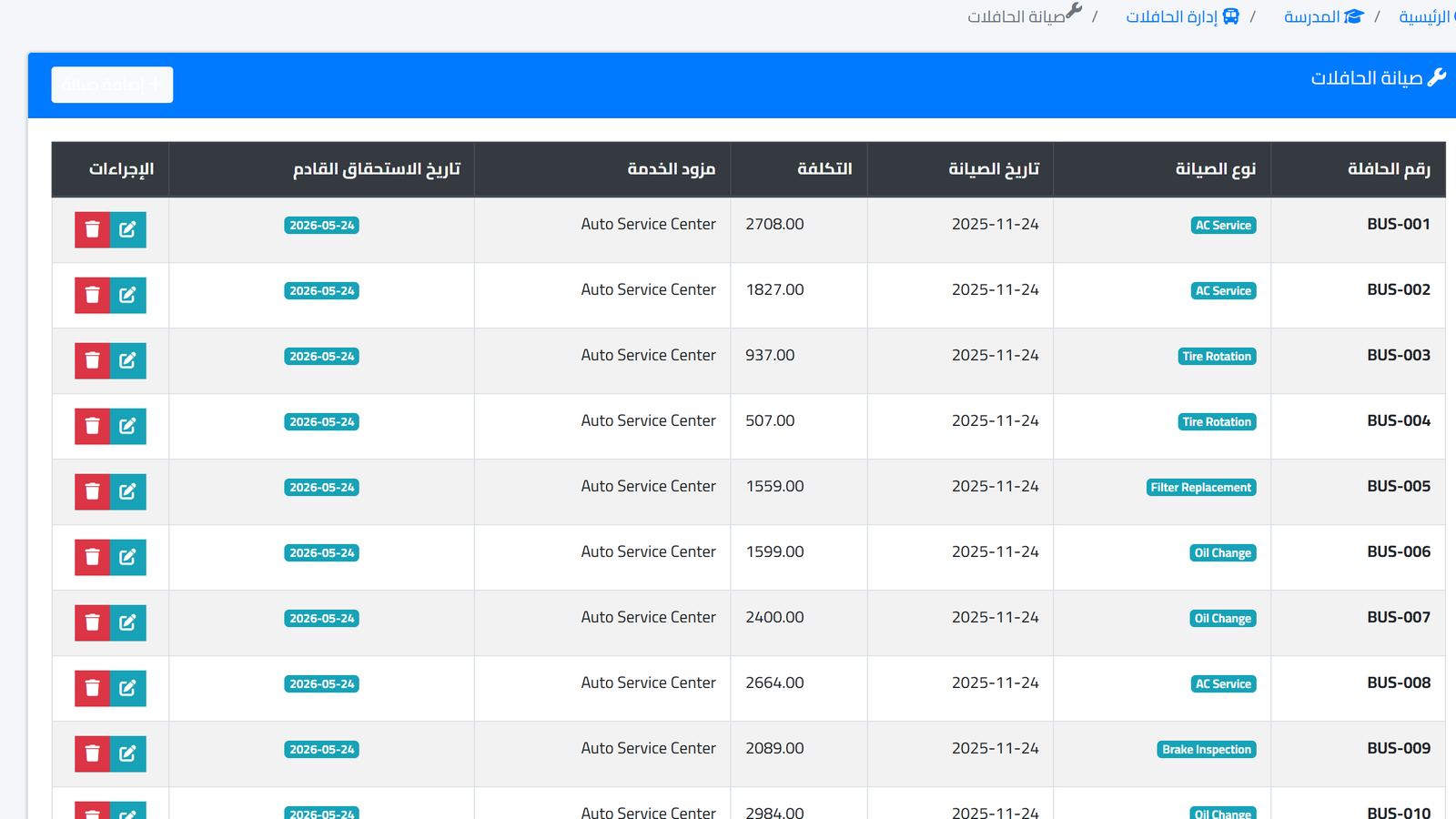
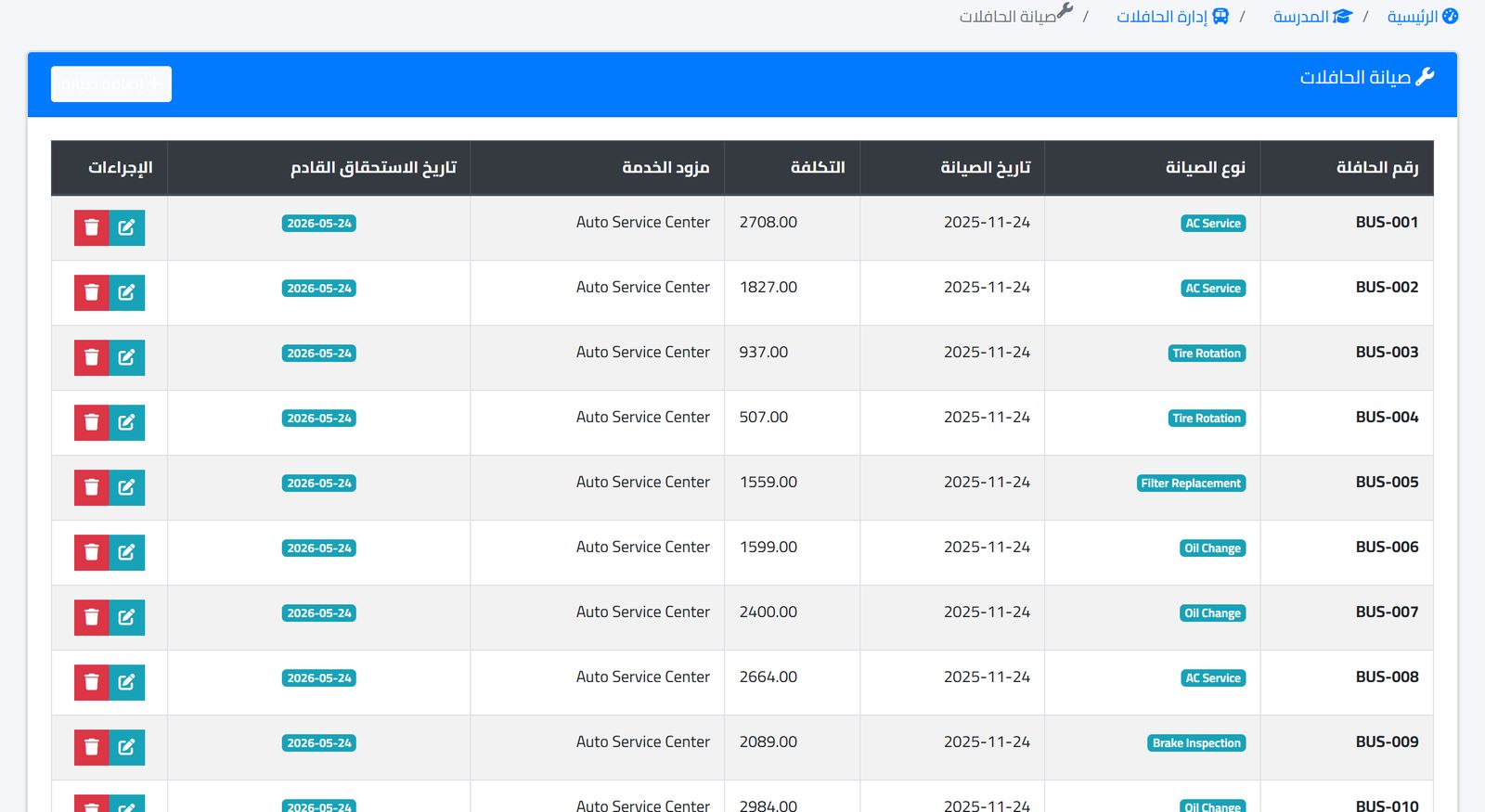
Every maintenance job, small or large, needs a line in the log. Do not record only the big jobs; oil changes, tires and brakes are what recur and add up. The minimum for each line:
- The bus number, so the cost is attributed to a specific bus and not to "the fleet".
- The type of maintenance: routine, fault repair, tires, or electrical.
- The date of the maintenance and the actual cost from the invoice.
- The name of the service center or garage.
- The next due date, which is the most important field in the whole log.
The next due date is what turns the log from an archive into a tool. When it is recorded with every routine maintenance job, the administration knows in advance which bus needs the garage this month, and schedules it on a day off or after dismissal instead of being surprised by it in the morning.
The fuel log: where money usually disappears
Fuel is often the biggest recurring item in a bus's cost, and also the hardest to monitor. The driver fills the tank and hands in the receipt, and nobody asks whether the amount makes sense for the distance the bus covered.
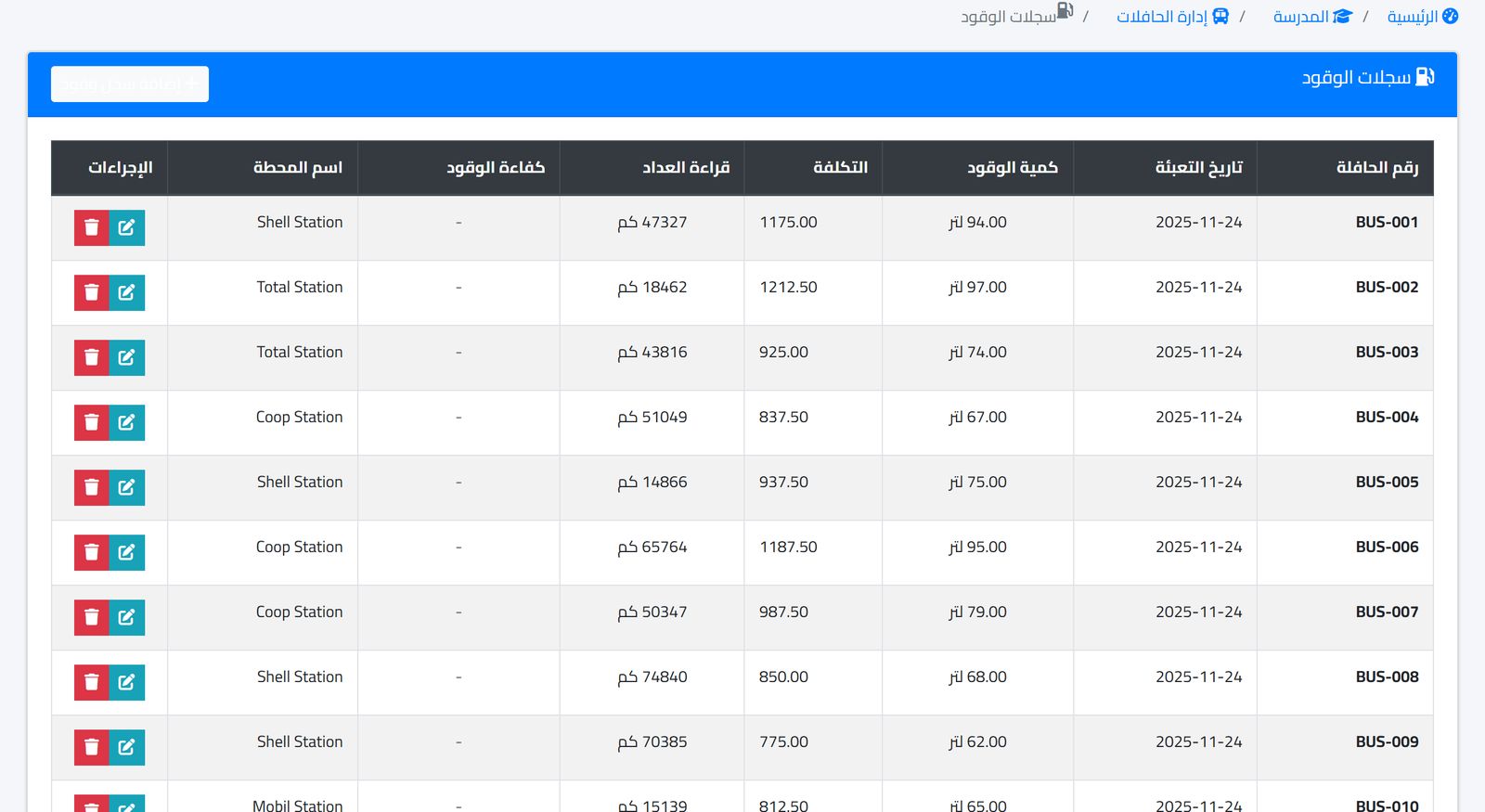
The solution is to record four things with every fill-up: the date, the quantity in liters, the cost, and the odometer reading. The odometer reading is the key. The difference between two consecutive readings tells you how many kilometers the bus covered, and dividing the distance by the liters gives its consumption.
An example to illustrate: if the odometer reading at the 1 March fill-up is 120,000 km, and at the next fill-up it is 120,600 km, and the bus took 100 liters at the second fill-up, it uses one liter per 6 kilometers. If another bus of the same model on a similar route covers a longer distance on the same quantity, that is a difference worth asking about: is there an engine fault, a route longer than planned, or something else?
Put the name of the station in the log too. Repeated fill-ups at stations far from the bus's route are a sign that deserves a quiet conversation with the driver.
Incidents: record them, even the small ones
A scratch on the rear door, a broken mirror, or contact with a car at the school gate. These things usually pass with a word from the driver to the supervisor and are never written down anywhere. But they say a lot when they add up: one driver whose small incidents keep recurring, or a particular route with many problems because of a narrow road or congestion.
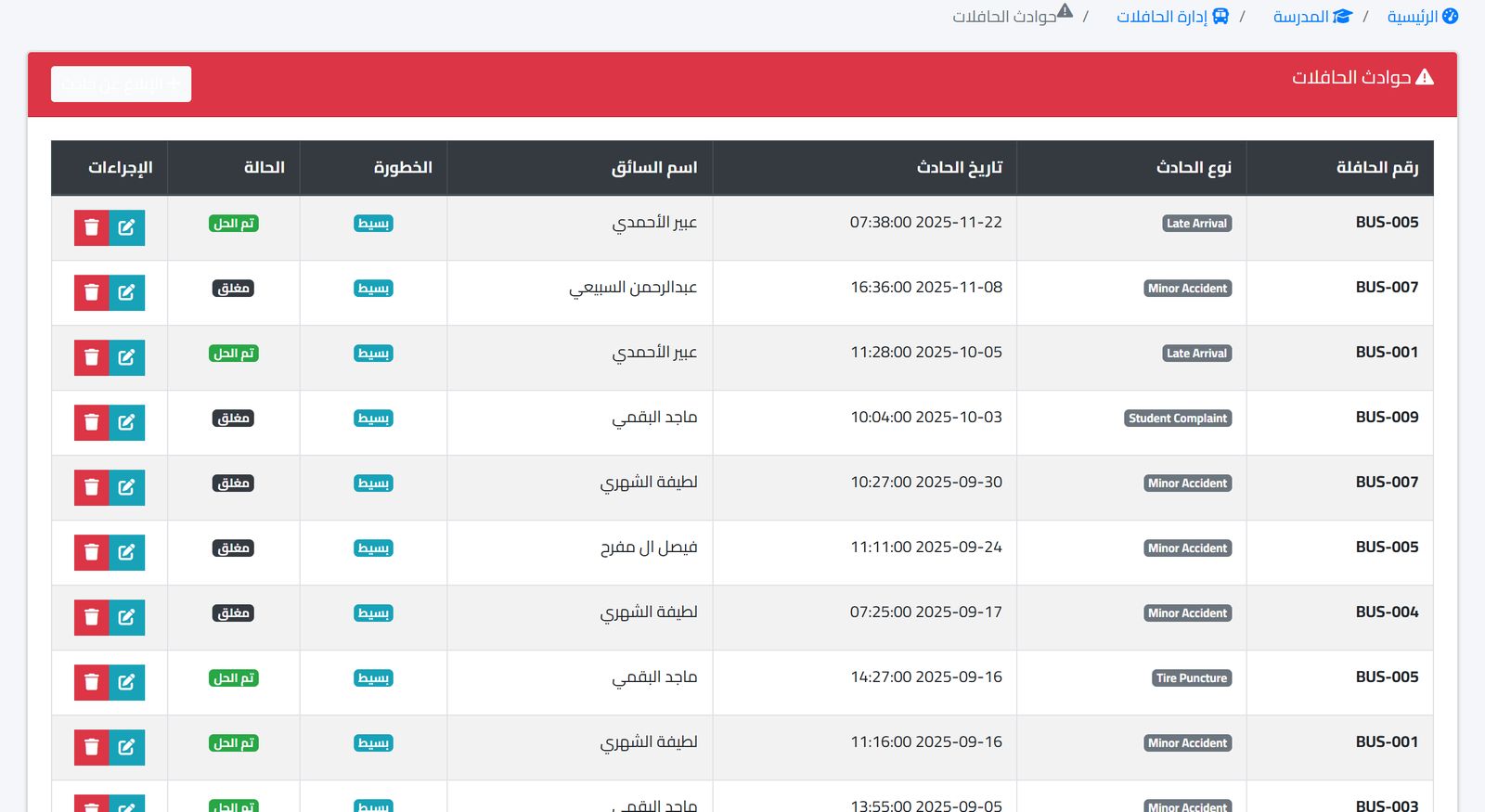
Record each incident with the bus number, the date, the type of incident, the driver's name, the severity, and the status: closed or still being followed up. Severity matters because it separates what needs only a warning to the driver from what requires informing the administration and parents immediately.
And when a parent asks about the safety of transport, or the school needs to review a driver's contract, the log is the reference instead of memory.
Calculating the cost of a single bus
After three months of regular recording, you have something to calculate with. A bus's cost for the term is the sum of maintenance, fuel, and any repair cost resulting from an incident, and you can add the driver's and the supervisor's salary if you want the full picture.
A hypothetical example: a bus cost 8,000 in maintenance and 22,000 in fuel during the term, and carries 40 students. The operating cost per student for the term, without salaries, is 30,000 ÷ 40 = 750. When you compare this figure with the transport fee you collect per student, you know whether the transport fee covers the cost or whether the school subsidizes it from another item.
And when you compare the buses with each other, the bus whose maintenance costs twice as much as the others stands out. Here the decision to sell or replace is based on numbers you can show to the board.
A monthly checklist for the transport supervisor:
- Have all maintenance and fuel invoices for this month been recorded?
- Which buses are due for maintenance in the coming weeks?
- Has any bus's fuel consumption changed from previous months?
- Have the open incidents been closed?
When to repair a bus and when to replace it
This question comes up in every school with old buses, and it is usually settled by the supervisor's impression or by a sudden major breakdown. Records make it a question you can answer. Look at the bus's maintenance cost over the last two years: does it rise from term to term? Do the same faults recur despite being repaired? Does fuel consumption rise over time compared with newer buses of the same size?
If the answers are all yes, the bus costs the school more than it appears. Take into account what does not show in the invoices too: a day when the bus breaks down in the morning means late students, calls from parents, and a replacement bus making two runs. That is a cost to the school's reputation before its budget.
On the other hand, do not replace a bus just because of its age. An old bus with regular maintenance and a stable cost may be better than a newer bus that nobody has looked after. The right decision comes from comparing the numbers, which is why recording should start at least a year before you need the decision.
How this works in Prima Schools
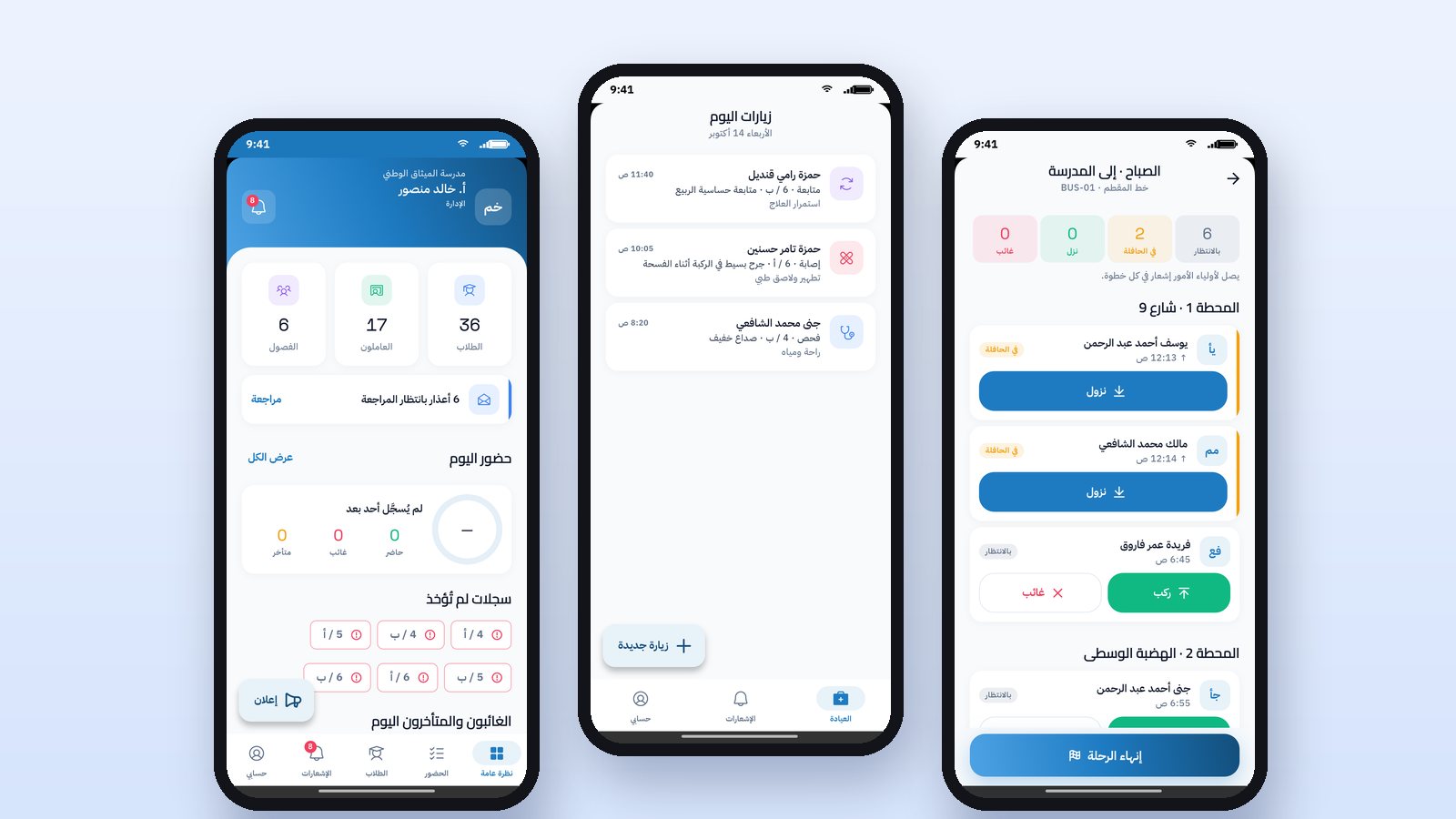
The buses module in Prima Schools brings the fleet together in one place: the bus list with numbers, plates and capacity, drivers, routes, and assigning students to buses. The three records we described are managed from the same module.
The maintenance log keeps, for each job, the bus number, maintenance type, date, cost, service center and next due date, and upcoming maintenance appears in a table on the main buses dashboard, so the supervisor sees it without searching. The fuel log keeps the fill-up date, quantity in liters, cost, odometer reading and station name. The incident log keeps the incident type, driver's name, severity and status.
Bus reports come from these records, alongside the map that tracks the bus's location on the road by GPS and students' attendance on the bus. For more on live tracking read Tracking school buses by GPS, and to see where transport sits among the principal's weekly indicators see School performance indicators the principal should see every week.
Frequently asked questions
Who should enter the fuel and maintenance data?
Ideally one person, usually the transport supervisor, who enters the data from the receipts weekly, and the accountant reviews it at payment time. Spreading the entry across drivers leaves the log incomplete.
Is this suitable for a school with only two or three buses?
Yes. Even with few buses, knowing the next maintenance date and the cost of each bus prevents sudden breakdowns and helps set transport fees.
What if transport is handled by an outside company?
Recording incidents is still useful for monitoring service quality, while fuel and maintenance records are usually the company's responsibility under the contract.
If you have a fleet and want to see maintenance and fuel records on your own buses, start a free trial and enter one bus with last month's invoices.